


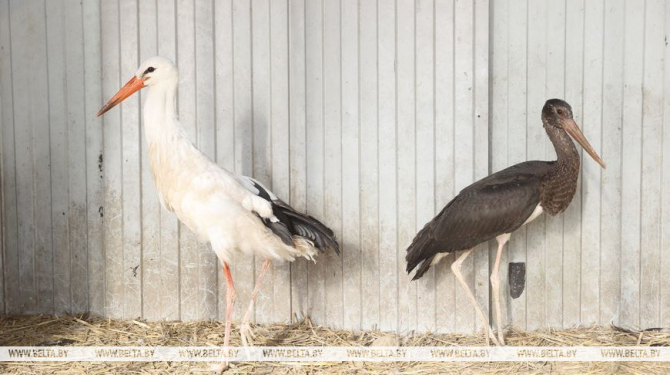
About five years ago, a stork chick literally fell on Dmitry Avdeyev’s head. That incident dramatically changed the man’s life and turned him into a guardian angel for birds. At the Brest stork center, he nurses birds that have found themselves in trouble. He has no veterinary education; treatment for the animal patients is prescribed by a vet. Dmitry’s knowledge of birds and their care came with experience. While he was saving birds, the bird and animal rescue center itself had to fight for survival. A small spoiler: the story had a happy ending. Details are in BelTA’s report.
“Five years ago, a chick literally fell on my head. That’s how it all started,” Dmitry Avdeyev noted. He desperately wanted to help the little stork but didn't know how to do it correctly. He reached out to a Russian specialist for advice and received clear instructions. “By the second year, I had about six storks. At the beginning of the third season, I opened the Brest stork center which officially became a bird and animal rescue center. In the third year, I had around 40 chicks; last year, about the same number,” the man said.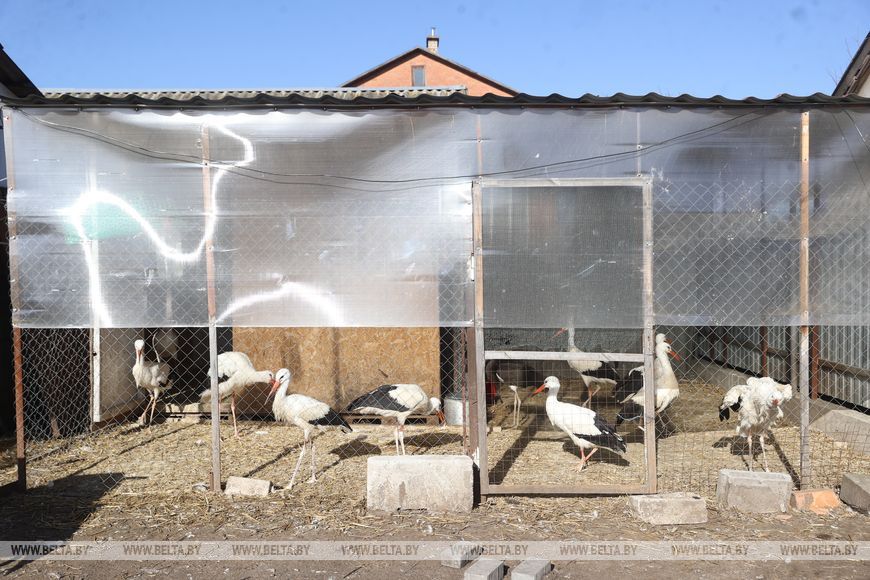
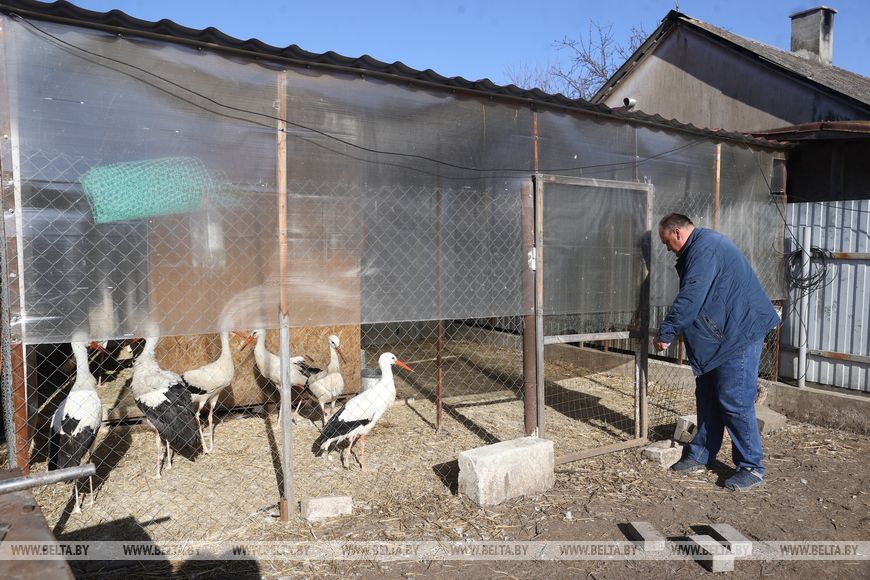
The Brest stork center is registered in Brest District. The center provides housing and rehabilitation to birds. There is a quarantine area. An aviary is combined with a wintering facility, intended exclusively for adult storks. “The wintering facility has a diesel heater. Temperatures were quite low this winter, but we didn’t even notice it. We just increased the airflow rate. Inside the aviary, it was +12°C while it was -27°C outside,” the center’s owner noted.
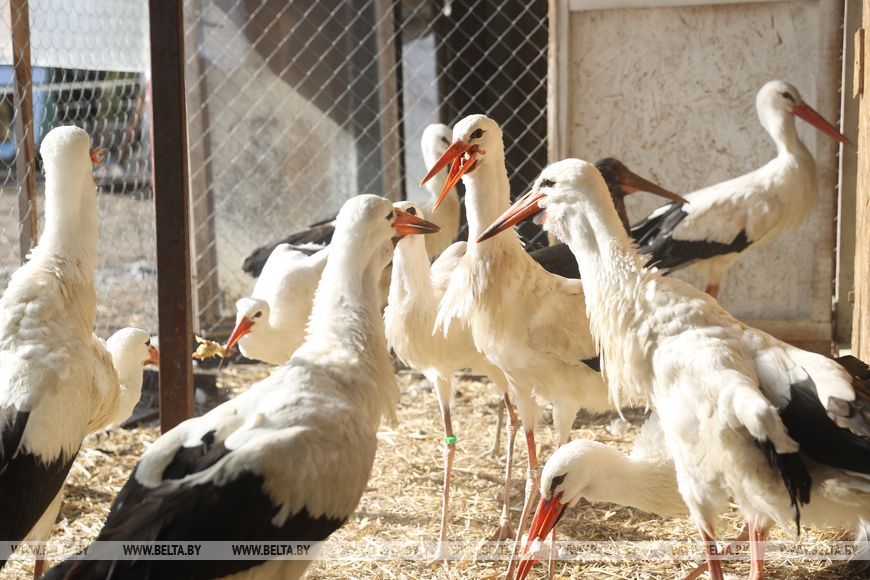
The chicks live in enclosures that are protected from cats and birds of prey. As soon as a chick starts trying to stand up, it is moved to an artificial nest in an open area. “There, the young storks begin to feel the wind, away from humans. I don’t touch them at all. I only bring food and water. This is done so they can grow stronger and begin practicing flying on their own. The wind encourages them to move, their instincts awaken, and they start working their wings and hopping. As soon as the chicks realize they can fly, they immediately fly away from here,” Dmitry shared.


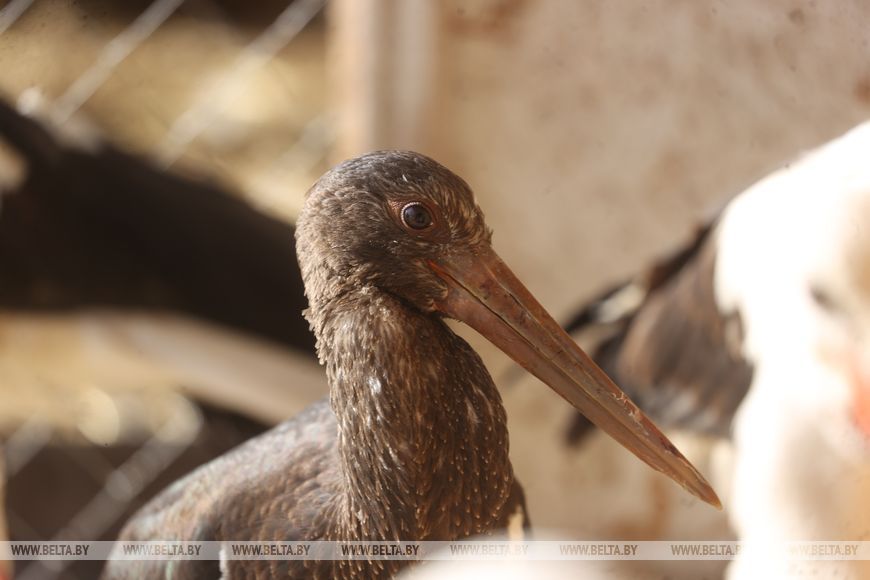
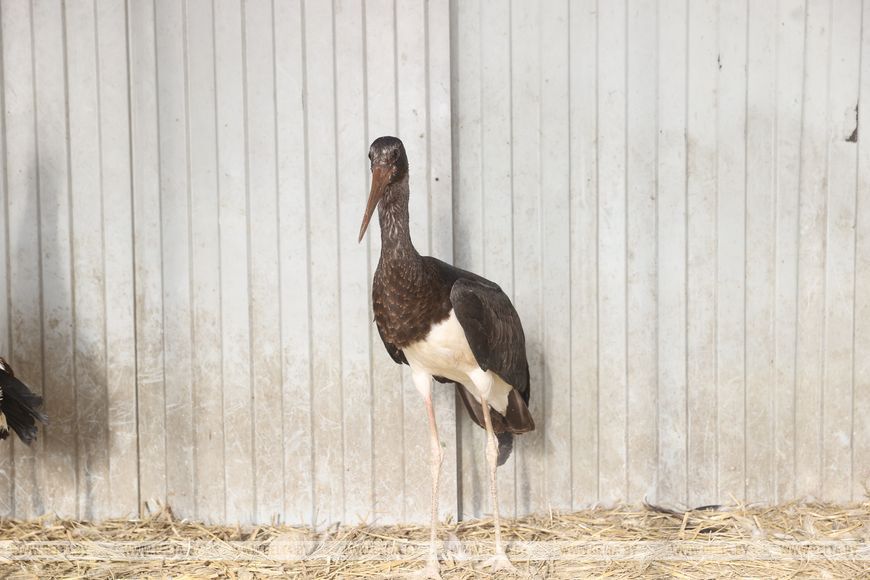 There is also a single black stork living there. Unfortunately, he will not return to the wild. “I saw on TikTok that a black stork was walking around the courtyard of an apartment block in Zhlobin, letting people come very close. That is unheard of for a black stork. They live in such remote places that even wolves hesitate to go there, let alone people. Many wrote to me: take him in. Everything came together thanks to the Brest environmental service, whose staff contacted their colleagues and received approval,” Dmitry Avdeyev said. This happened last August. The black stork has long settled in and even shows the habits of an “old man”. “His character is different from white storks: he’s more restless. He chases the white storks even though he is smaller in size and weight. He is quarrelsome. We call him the Black Prince, although he is really a black devil,” the center’s owner joked.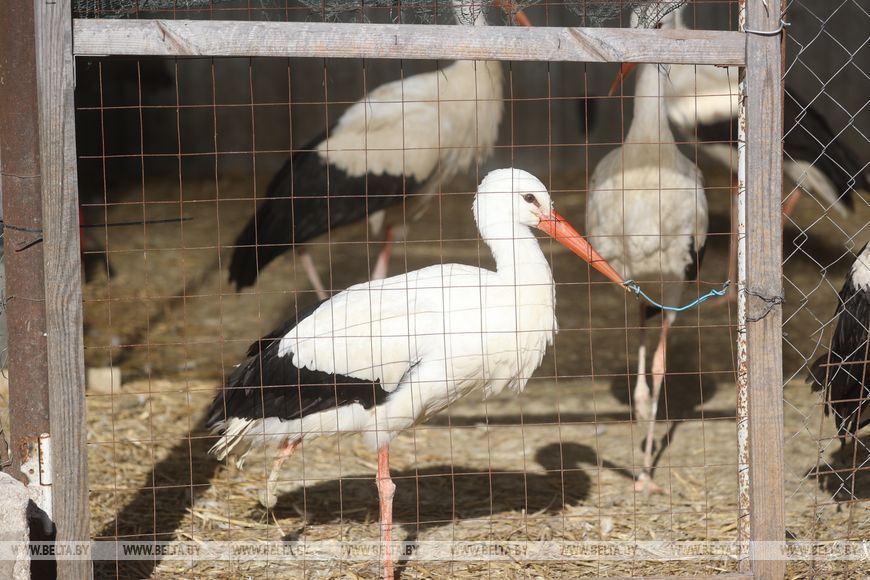
 Right now, the bird and animal rescue center is located on rented land. It needed a new site, and that’s where the trouble started. At first, the Brest District Executive Committee offered one not far from the railway tracks. But in that spot, the project didn’t make sense. “We want to launch a project to breed black storks and another bird species. The noise from the railway would make the project impossible. I decided to go back to the Brest District Executive Committee. I found a plot in a neighboring village that was perfect for what we do. They turned it down, but offered a site 26 kilometers away – in an area where there are no storks. How are we supposed to socialize the chicks there? It’s quite a difficult issue,” Dmitry explained. At one point, out of frustration, he even considered shutting down the project he had built. Many Belarusians voiced their concern. In the end, everything worked out.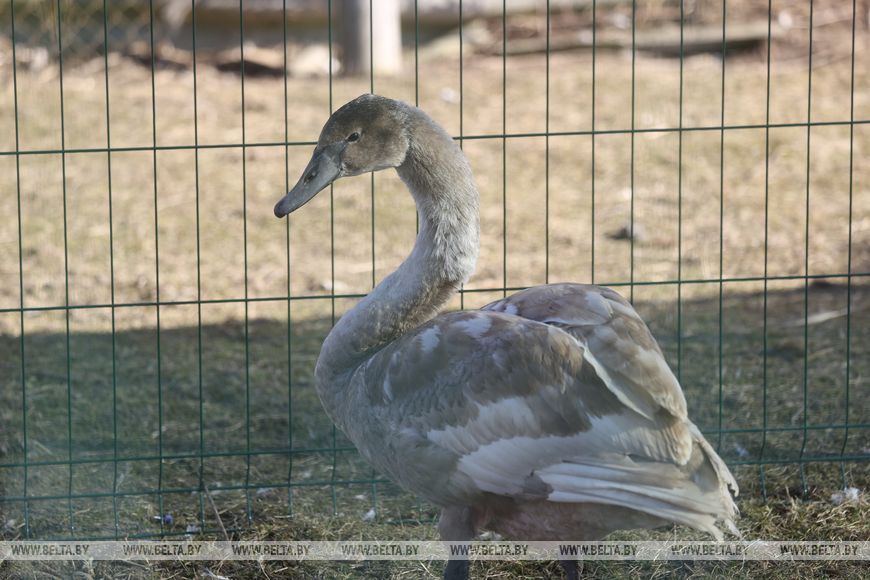
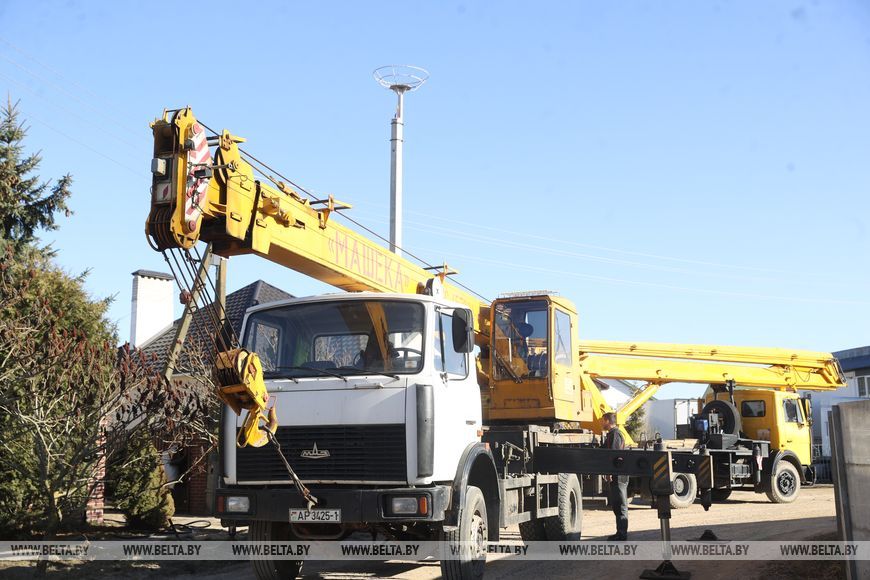
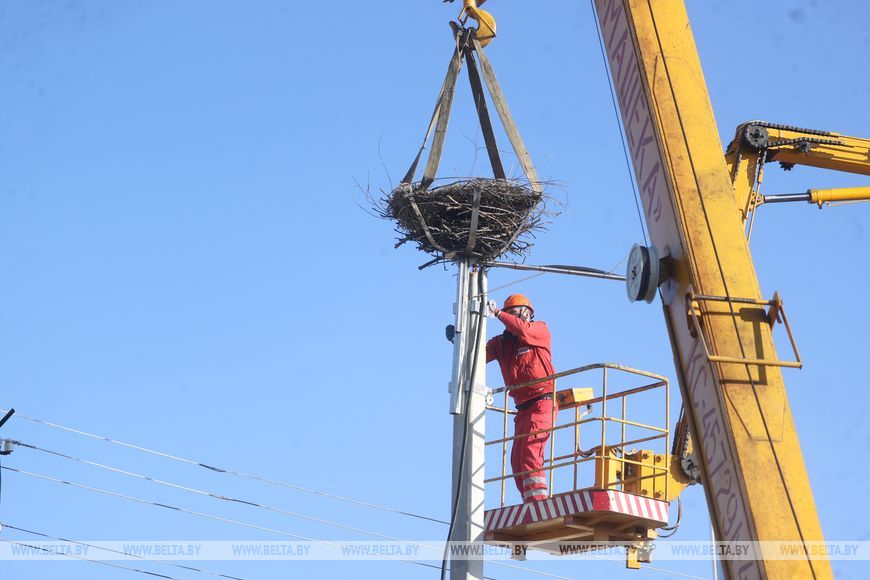
“I was invited to the Brest District Executive Committee, and they offered me two more plots: each better than the other. I chose one with a pond near the village of Velyun: a quiet, secluded spot, a remarkable piece of land. It needs to be cleaned up, the pond cleared out. We won’t be disturbing anyone,” the man noted.
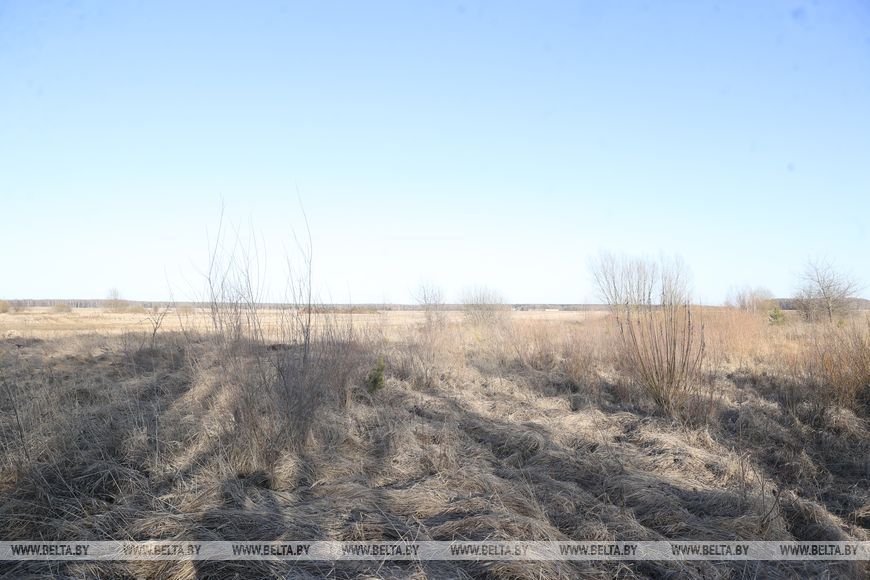
The new site is planned to include a residential house for volunteers, an observation post, a storage facility, and enclosures for quarantine and for keeping birds. “There will be several social projects. There, I’ll be able to fully spread my wings. It won’t just be storks, not just birds, but also other animals in need will also be cared for,” Dmitry Avdeyev said.
Alevtina CHERNOVOLOVA,
photos by Violetta YUZHAKOVA,
BelTA


